


What we do
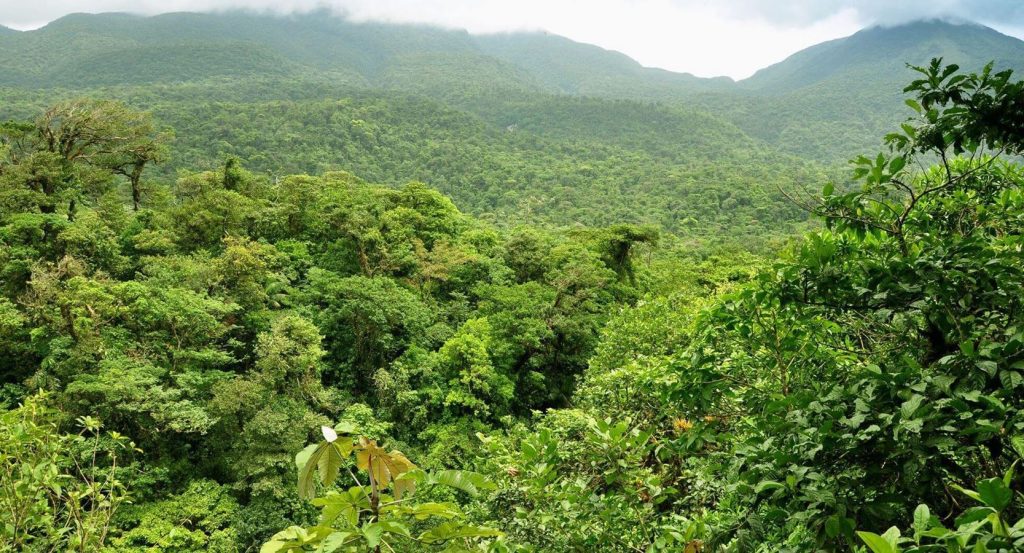
Protecting the rainforest with tropical timber trade – how is that supposed to work? Here you can find out more about our concept and which projects we support so that we can live up to this claim.
Concept
Sustainable, fair, climate-neutral and direct - this is how we achieve our goal: Best quality from sustainable sources at good prices
Origin
How do we work in our forests and sawmills - and where does the wood come from? Learn more here.
Projects
For every square meter of wood sold, we protect or reforest the same area of forest. We succeed with these projects.
Rainforest protection through tropical timber trade
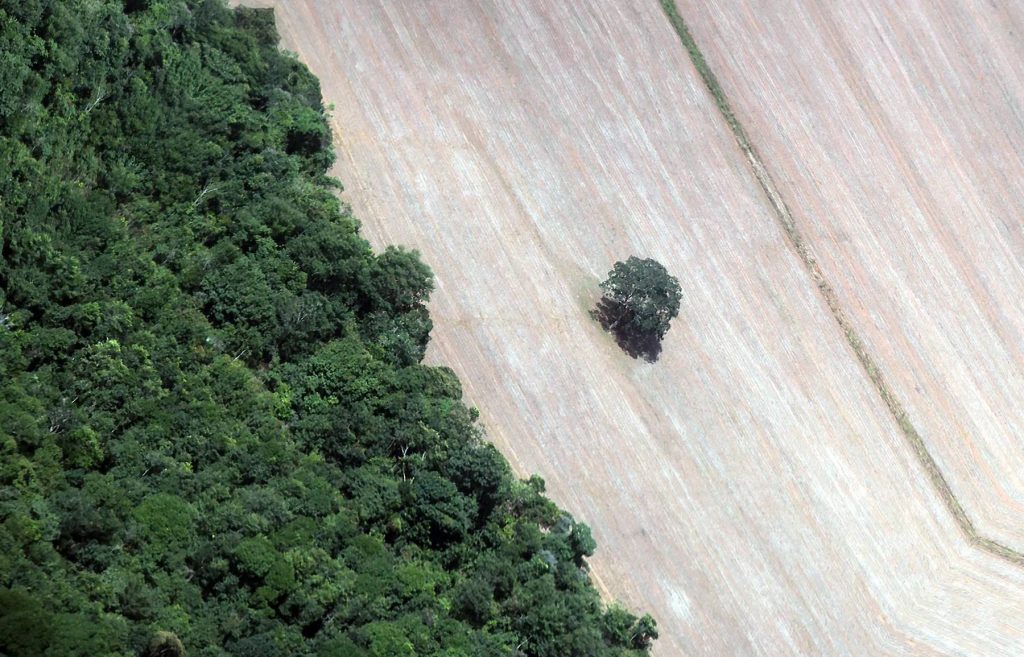
The challenge: stop the crowding out
The spread of industrial agriculture is the most important reason for the destruction of the rainforest. Forest areas are not destroyed because of the wood. It's about the area and profitable cultivation. Where there was forest a few years ago, there are now soya and corn plantations for animal feed or pasture for cattle breeding.
One solution: make the forest valuable
We believe that only responsible use can stop the displacement of the rainforest by industrial agriculture. The forest must once again become valuable and worthy of protection for the local people and be able to contribute to their livelihood. Controlled forest management can thus contribute to the protection of the rainforest. The video explains the principle of our work.

sustainable production
Environmental protection begins with the selection of suppliers. That's why we don't just rely on certificates, we visit the forest and factory on site.

fair to people
Environmental protection only works with the local people. That is why the workers must be paid fairly and the locals must benefit from our projects.

More forest
What we do has one goal: we want to give the forest more than we take. This is achieved through sustainable forest management and ecological reforestation.
Environment on the blog

ZDF report on Betterwood
The ZDF report about Betterwood appears in the documentary series "Plan B" and will be broadcast on Saturday, [...]

Betterwood is a pilot company for deforestation-free supply chains
Betterwood is the pilot company ELAN, a project for deforestation-free supply chains, initiated by Oro Verde and the [...]

Our sustainability: What is important to you?
For our sustainability report, we would like to know: What is particularly important to you about our rainforest protection?

Film team from ZDF with us Betterwood in Peru
A film team commissioned by ZDF accompanies our managing director Catherine Körting on her trip to South America.
How can the deforestation of the rainforest be stopped?
International treaties and agreements often fail to meet the targets in the fight against climate change. What influence [...]

Record losses in the Amazon region
Amazon rainforest loss peaks. Sustainable forest management offers an alternative to slash and burn.
FSC report on Betterwood
The FSC reports on the extraordinary concept of Betterwood: "Sustainable tropical wood, as directly and completely [...]

ARD report on forest fires in Brazil
Large parts of the rainforest in the Pantanal wetland in Brazil are on fire. It's been too long [...]
Plan a wooden terrace now for free.
We will provide you with a laying plan and an offer with all the accessories and transport costs. We can also plan extras such as construction height or patio steps for you.
terrace plannerOur decking boards
ab 6,21 €
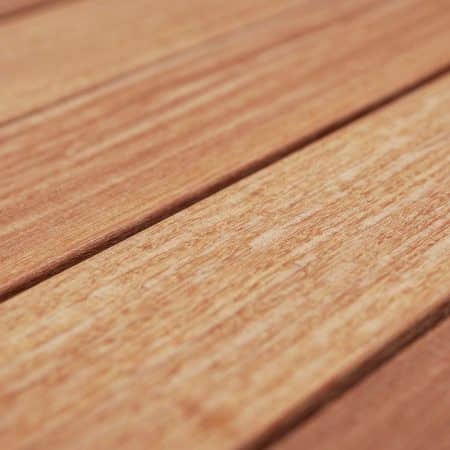
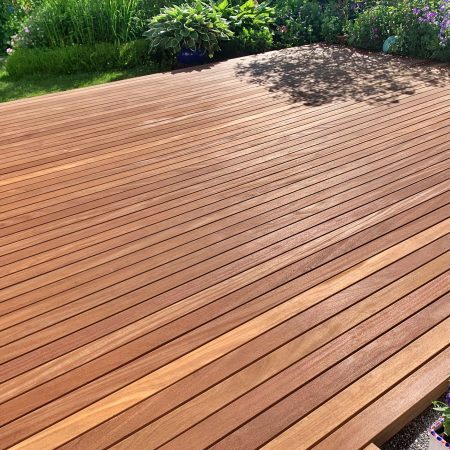
Cumaru decking, FSC 100%
Price from: €70 per m2, resistance class: 1
Advantages: ✓ best durability ✓ particularly robust and scratch-resistant
Disadvantages: ✗ partly rough surface ✗ high power development
Tip: Sand the floorboards after they have been exposed to the weather for the first time.
ab 8,89 €
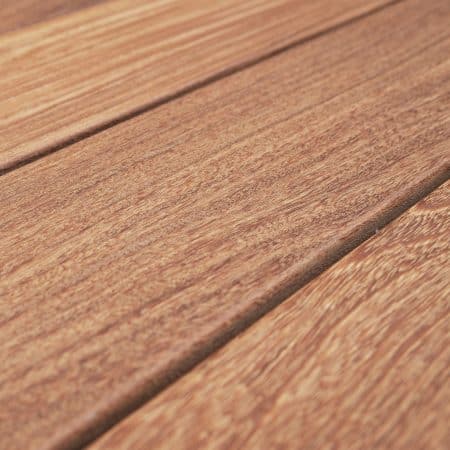
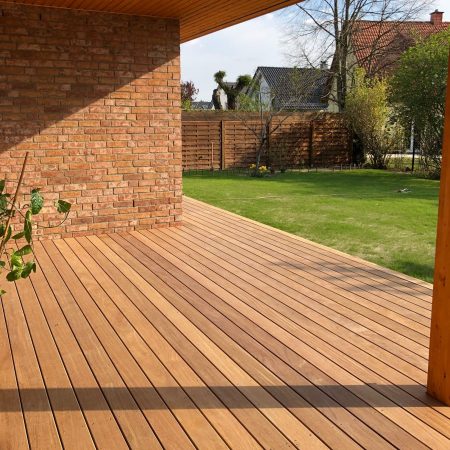
Cumaru decking, FSC 100%
Price from: €70 per m2, resistance class: 1
Advantages: ✓ best durability ✓ particularly robust and scratch-resistant
Disadvantages: ✗ partly rough surface ✗ high power development
Tip: Sand the floorboards after they have been exposed to the weather for the first time.
ab 11,69 €
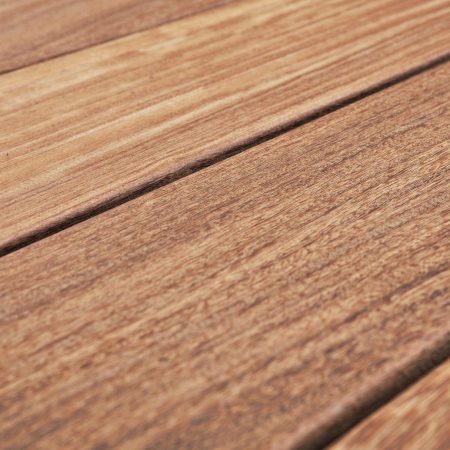
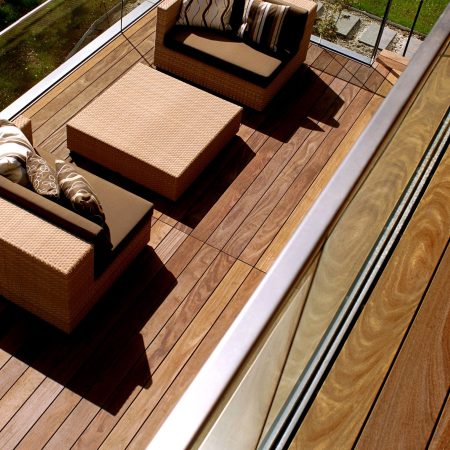
Cumaru decking, FSC 100%
Price from: €70 per m2, resistance class: 1
Advantages: ✓ best durability ✓ particularly robust and scratch-resistant
Disadvantages: ✗ partly rough surface ✗ high power development
Tip: Sand the floorboards after they have been exposed to the weather for the first time.
ab 9,26 €
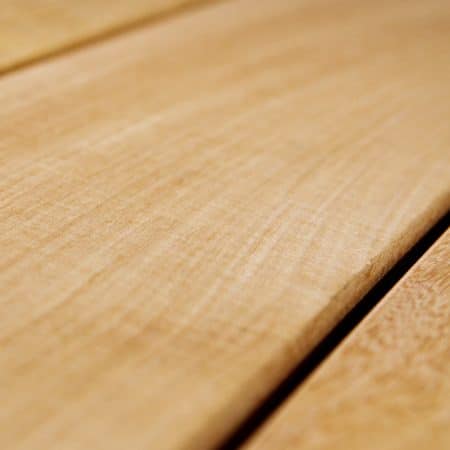
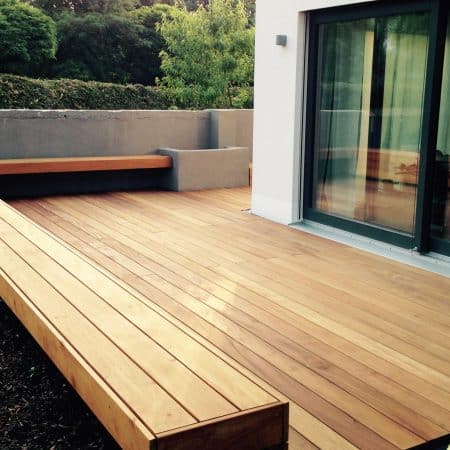
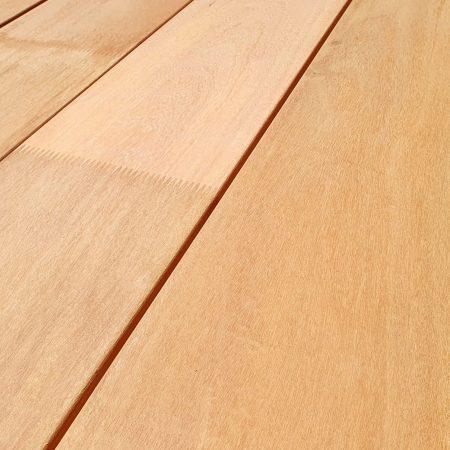
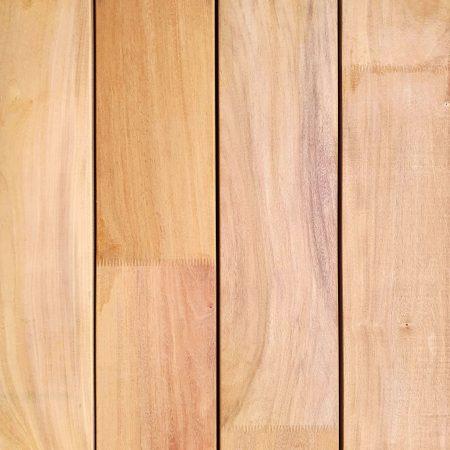
Garapa decking boards, FSC 100%
Price from: €65 per m2, resistance class: 1-2
Advantages: ✓ smooth surface ✓ homogeneous, light color
Disadvantages: ✗ Substances containing iron lead to discoloration ✗ Unscrewed tends to warp
Tip: Patio cleaning removes discoloration and
Professional interim storage avoids delay.
ab 9,97 €
Garapa decking boards, FSC 100%
Price from: €65 per m2, resistance class: 1-2
Advantages: ✓ smooth surface ✓ homogeneous, light color
Disadvantages: ✗ Substances containing iron lead to discoloration ✗ Unscrewed tends to warp
Tip: Patio cleaning removes discoloration and
Professional interim storage avoids delay.