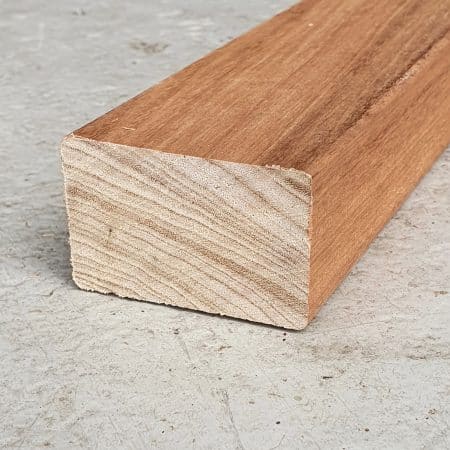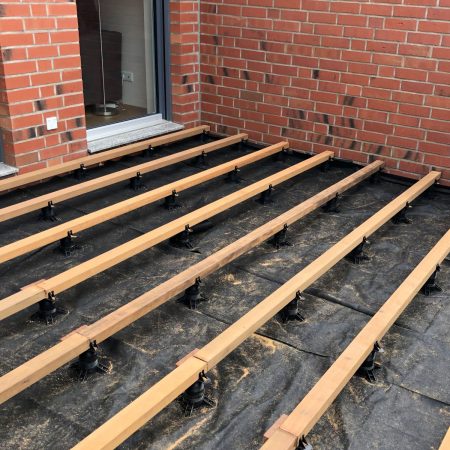
Betterwood " Environment " Origin » Brazil
The wood from Brazil
Some of our hardest tropical wood comes from FSC® 100% certified forests near Manaus. Harvest quantities are strictly limited and the sale of over 45 different types of wood actively promotes market development for less used tree species.
The Forest & The Sawmill
The certified concession is located in Itacoatiara, 250 kilometers east of Manaus in Brazil. Since 1996, sustainable forestry has been practiced here on almost 500 hectares of forest. The sawmill is in the immediate vicinity.
In the concession, the average harvest is 12m3 per hectare per year in a harvest cycle of 35 years using gentle methods. This corresponds to a harvest of two to three trees per hectare per year. This also means that a piece of land is not cultivated again for 35 years after the harvest, so that flora and fauna can regenerate during this time.
Illegal logging, slash and burn, and agricultural expansion are contributing to the loss of local rainforest. That is why we are particularly careful in Brazil and have compliance with the FSC®® standards for responsible forest management checked three times: by environmental protection organizations, our own unannounced inspections and an on-site agent.
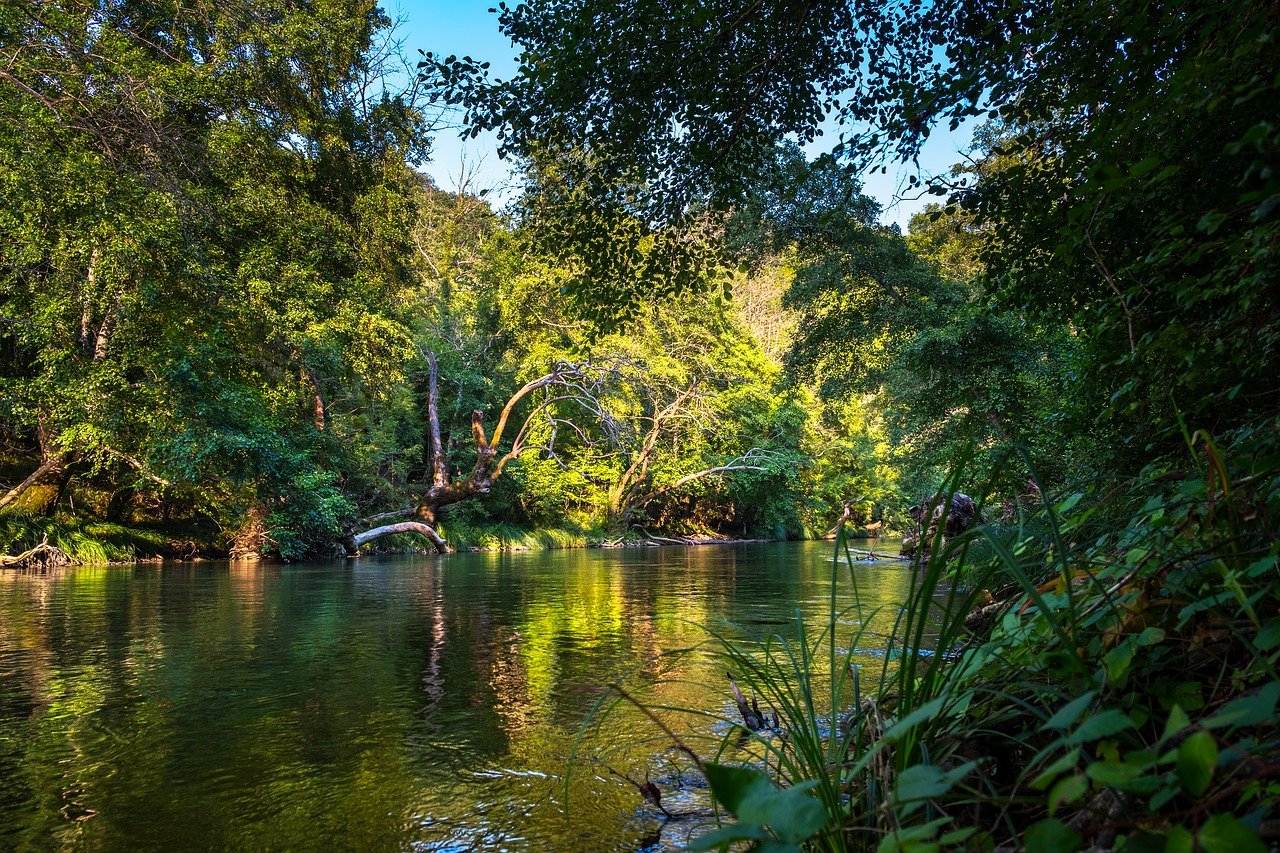
rainforest in Brazil
The Certificate & The Certifiers
We only import wood from Brazil that has been certified by the FSC®®. This ensures responsible forest management and sets an example against illegal manure.
- The certificate Forest Stewardship Council (FSC®®) sets the strictest international standards for responsible forest management.
- The certification organization imaflora monitors forests and sawmills for compliance with sustainable principles.
- The European Sustainable Tropical Timber Coalition promotes the marketing of sustainably produced tropical wood in Europe.
The city
Manaus is the capital of the Brazilian state of Amazonia. It is located at the mouth of the Rio Negro in one of the most biodiverse areas in the world. In the period between 1870 and 1910, the city became famous for the rubber boom, as the region was the only supplier of rubber for a long time.
Today the place is mainly known as a touristic starting point for excursions in the surrounding primeval forests. Numerous providers offer multi-day tours to experience the unique variety of plants and animals. In addition, the jungle city celebrates many festivals every year in the midst of numerous historic buildings.
As a free trade zone with tax breaks, the city attracts international companies, making it one of the most prosperous regions in Brazil.
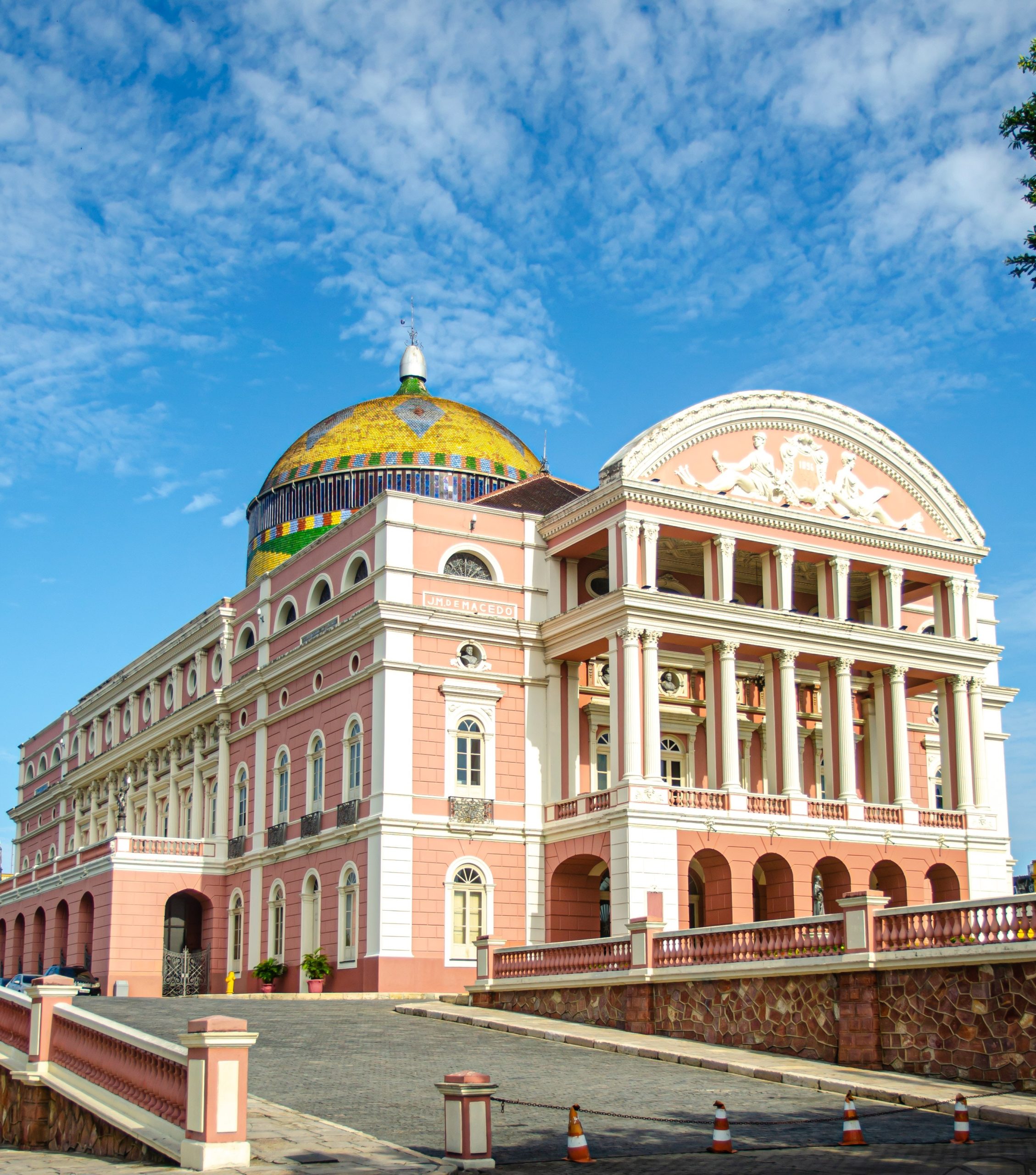
Opera House in Manaus, Brazil
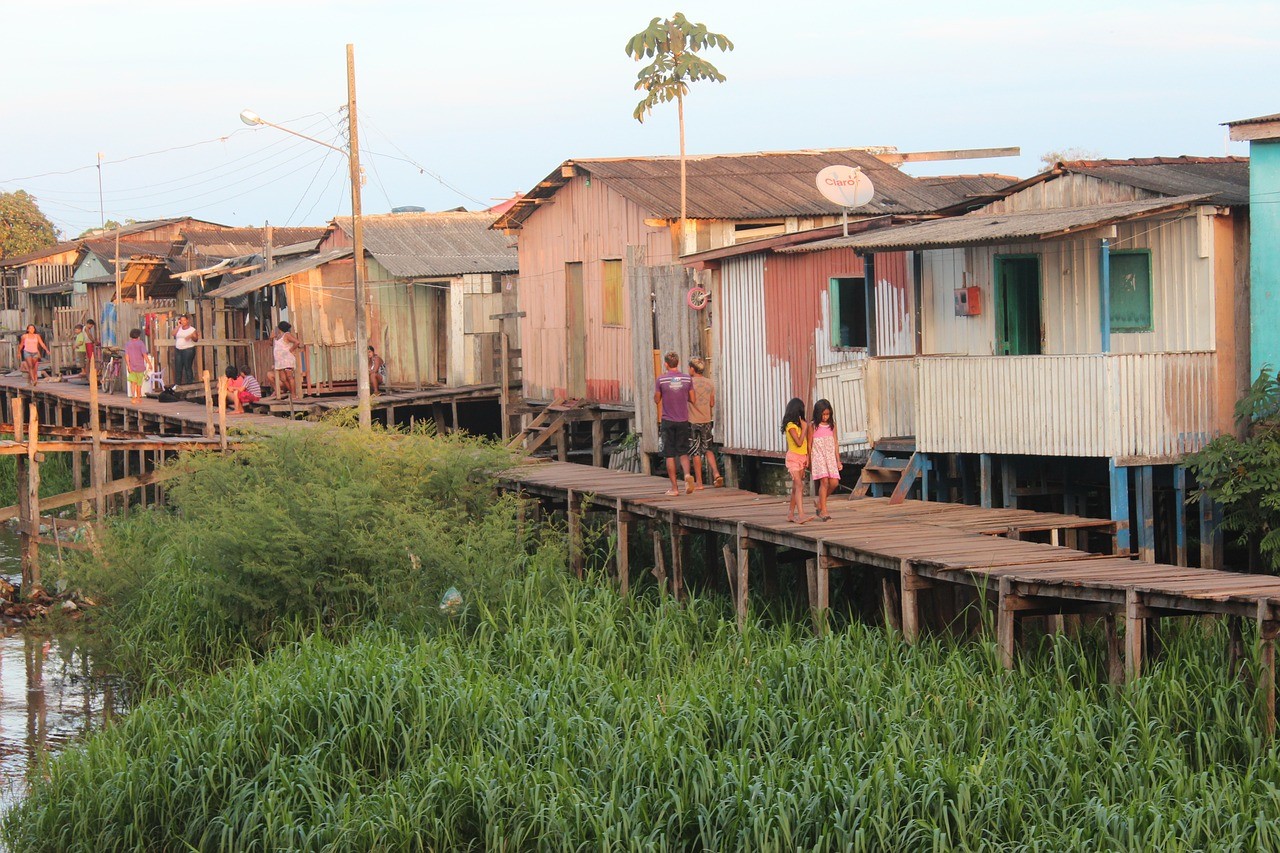
Rural neighborhood in Brazil
The country
Brazil is the largest country in South America and the fifth largest country in the world. Its name goes back to the brazil wood and refers to the long Brazilian tradition in wood export.
Today the country is faced with the question of whether economic advancement and environmental protection can be combined. Agricultural monocultures with fodder maize, palm oil and soybeans are increasingly crowding out the rainforest. On the other hand, there are efforts to maintain forest areas permanently with sustainable management and to promote reforestation.
The destruction of the rainforest continues to this day. With a stronger demand for certified wood, the trend should be reversed.
The way of the wood

Forests in Itacoatiara
Our trees grow in the certified forests around Itacoatiara. Management is precisely defined for many years. More wood should never be taken from the forest than will grow back.



Sawmill in Itacoatiara
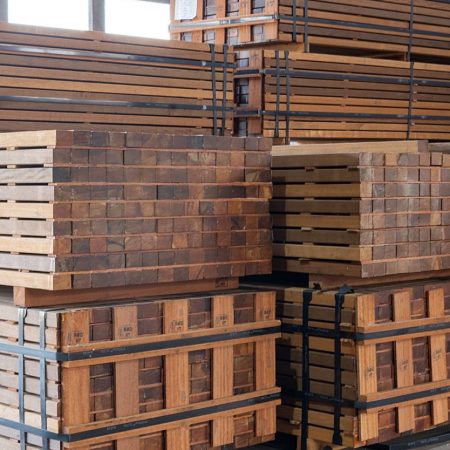
The felled trees are transported to the sawmill in Itacoatiara. The logs are sawn into lumber in the sawmill, dried in the drying chamber for weeks, then planed and packed in overseas containers.

Container Ship
From Manaus, our construction timber is shipped across the Atlantic to Europe. The crossing to Rotterdam takes around 14 days.

Our warehouse
A barge or truck transports the container to our warehouse in Drolshagen in the Sauerland.

The carbon footprint
The container with approx. 20 cubic meters of construction timber from Brazil has a stretch of 16.063 kilometers covered. 1.853 kilograms of Co2 were emitted proportionately by container ship, barge and truck on the way. These Co2 emissions are compensated by a Reforestation project in Indonesia compensated again.