
Olive
[Olive]; [Olea europaea]; Trade names: Ölbaum (D), Olivio (IT), Olivier d'Europe (F), Olive Tree (GB)
|
Origin |
Mediterranean areas, Syria, Palestine, Anatalia and from southern Asia Minor |
|
bulk density |
810-900 kg/m³ |
|
durability class |
k. A. |
|
radial shrinkage |
k. A. |
|
Tangential shrinkage |
k. A. |
|
wood color |
yellowish-white with reddish tinge and streaked with dark |
|
wood structure |
k. A. |
|
Usage |
Turned goods, small objects |
The olive tree (Olea europaea) is an evergreen tree that reaches a height of 10 to 20 meters and can live up to 1000 years. Regular pruning of cultivated olive trees maximizes the yield. The flowering period extends from late April to early June, with most varieties being self-pollinating. The fruits, olives, are initially green and turn black or purple-brown when ripe. The highest yield is achieved after around 20 years. Most olives are processed into olive oil or pickled fruits. Products made from olive wood have a special place in Mediterranean cuisine. The olive tree has been cultivated since the 4th millennium BC. Cultivated as a useful plant in the XNUMXnd century BC and belongs to the olive family (Oleaceae).
The wood of the olive tree (Olea europaea) is used in a variety of ways for furniture, wind instruments (especially recorders), kitchen utensils and other everyday items. The olive tree grows in the Mediterranean regions and around the Black Sea, preferring areas with a Mediterranean climate, characterized by mean annual temperatures of 15 to 20 °C and annual rainfall of 500 to 700 mm. This characteristic plant of the Mediterranean vegetation tolerates high heat but is sensitive to frost in cold winters, endangering crops and plantation stocks. The olive tree is not only economically important, but also shapes the cultural landscape and vegetation in Mediterranean areas.
Source: Wikipedia
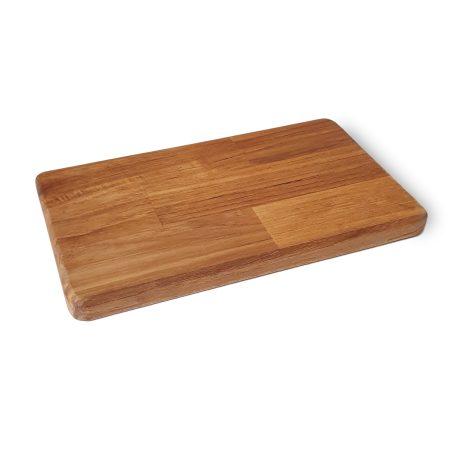
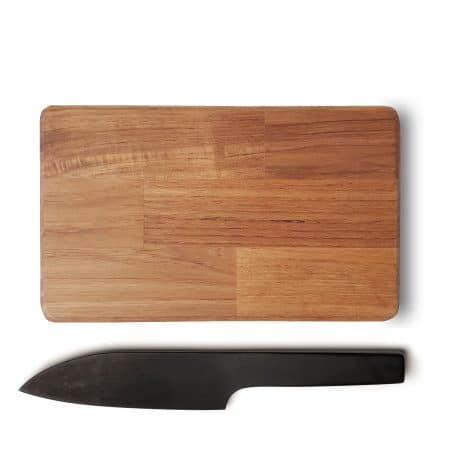
ab 13,95 €
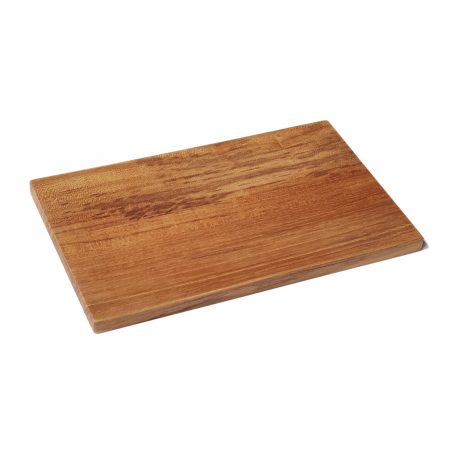
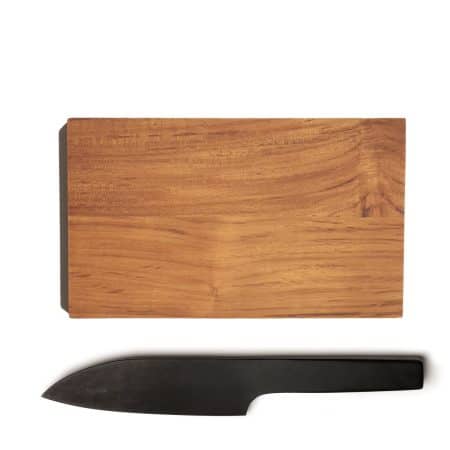
12,95 €
ab 14,95 €
25,95 €
ab 33,95 €
25,95 €
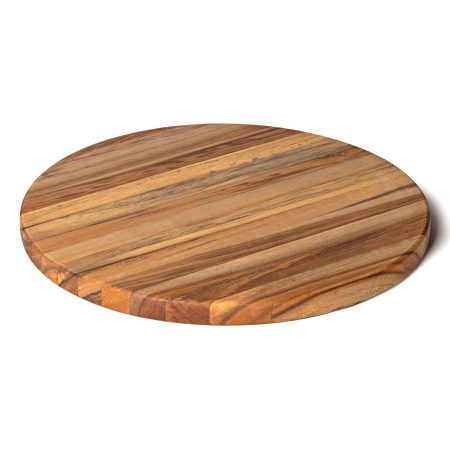
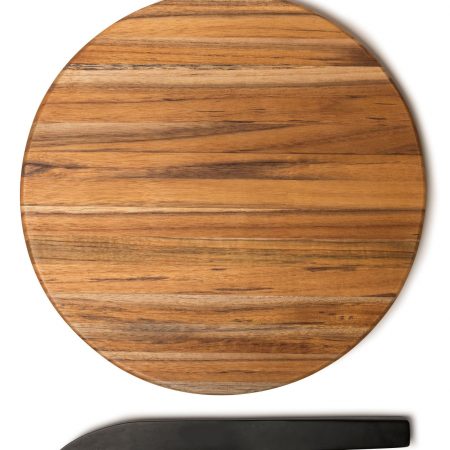
starting from 29,95 €
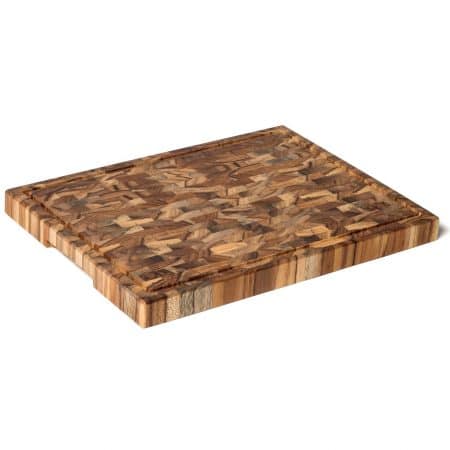
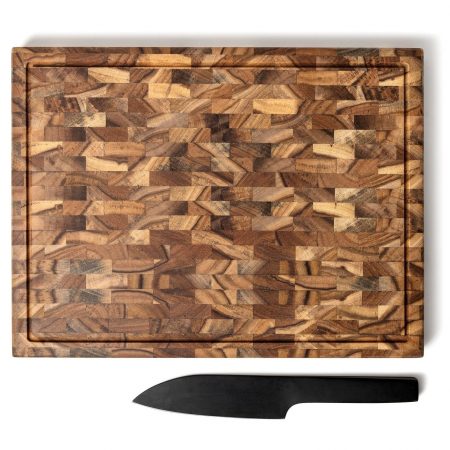
79,95 €
139,95 €